Your gift today will empower, inspire, and connect the next generation of changemakers. Together, we can keep building the world we want to see.
Become a Founding Member with a monthly donation, or learn more about all the ways to get involved.
Your gift today will empower, inspire, and connect the next generation of changemakers. Together, we can keep building the world we want to see.
Become a Founding Member with a monthly donation, or learn more about all the ways to get involved.
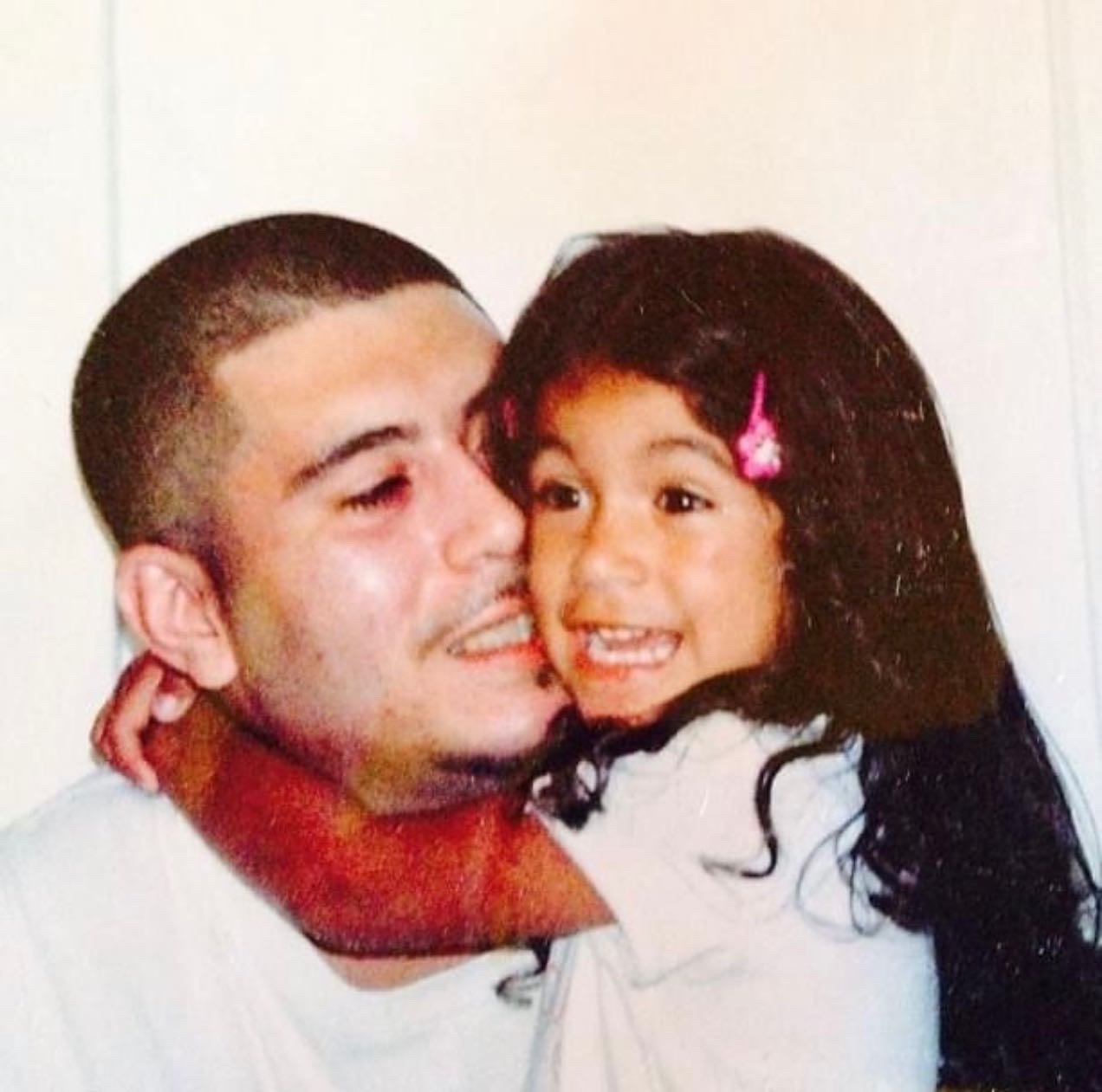
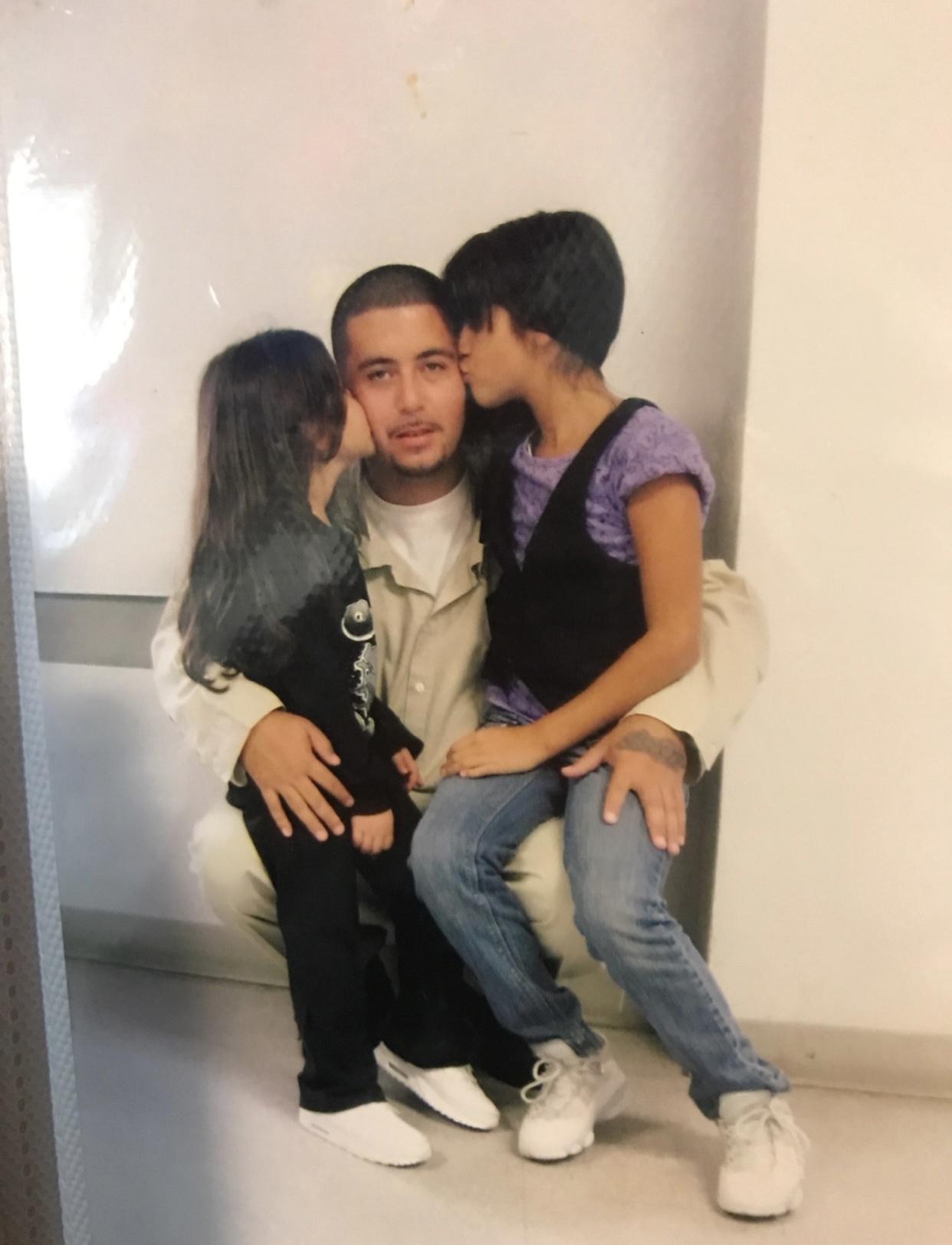
One of my earliest memories is the first phone call I had with my father after he was incarcerated. I was in kindergarten. While I could not fully understand what was happening, I could read the emotions filling our household.
The sound of my father's voice, paired with the expressions on the faces of the women raising me, communicated everything I couldn't yet put into words, fear, uncertainty, and sadness.
The weight of raising a child with an incarcerated parent was being felt by my elders, while I was in the dark about a harsh reality. My father would ultimately serve a ten-year sentence.
Our relationship became one measured by collect calls, time limits, and weekend prison visits in the early 2000s, long before video calls made separation feel any smaller. Growing up, I had a front-row seat to the ways mass incarceration reshapes families. There was no therapy, no parental advocate, or even the language to explain what we were experiencing. By default, I understood the consequences of injustice long before I understood injustice itself.
That reality extended far beyond prison visits. Raised on Chicago's West Side, I witnessed the effects of concentrated poverty, gang violence, underfunded schools, and communities forced into survival mode.
Somewhere between visitation rooms and neighborhood streets, I developed an unwavering conviction that my life would not be confined by the circumstances I was born into. Watching my family navigate teen parenthood and socioeconomic barriers they themselves could not explain ignited an obsession with learning.
School became my sanctuary. Inside a classroom, I wasn't the daughter of an incarcerated parent or a child carrying the weight of my family's struggles, I was simply Miranda. Education became freedom.
The more I learned, the more I realized my family's story was not unique. It reflected larger systems of inequity. Education gave me the language for experiences I had lived, but could never explain.
Because of my upbringing, I knew pursuing higher education would require me to overcome obstacles many of my peers never had to consider. Simply graduating high school was considered an accomplishment in my family. Careers were uncommon. Survival came first.
Determined to change my trajectory for success, I chose to attend high school on Chicago's North Side, leaving behind the familiarity of my neighborhood in exchange for opportunity.
There, I enrolled in Advanced Placement courses and found myself surrounded by classmates and teachers whose backgrounds and expectations challenged me to think beyond the world I had always known. That decision changed my life.
Reading advanced literature introduced me to the historical forces that had shaped my family's experiences. Civic engagement became personal. I attended protests, researched public policy, and discovered that the hardships I had witnessed since childhood were connected to systems that could be challenged.
By the time I arrived at Clark Atlanta University as a first-generation college student, I no longer viewed education solely as a path to personal success. I saw it as a vehicle for collective liberation.
For the first time, I was surrounded by people who expected me to lead and dream without limits. My education was more than a degree, it became evidence that my story will not end where it began.
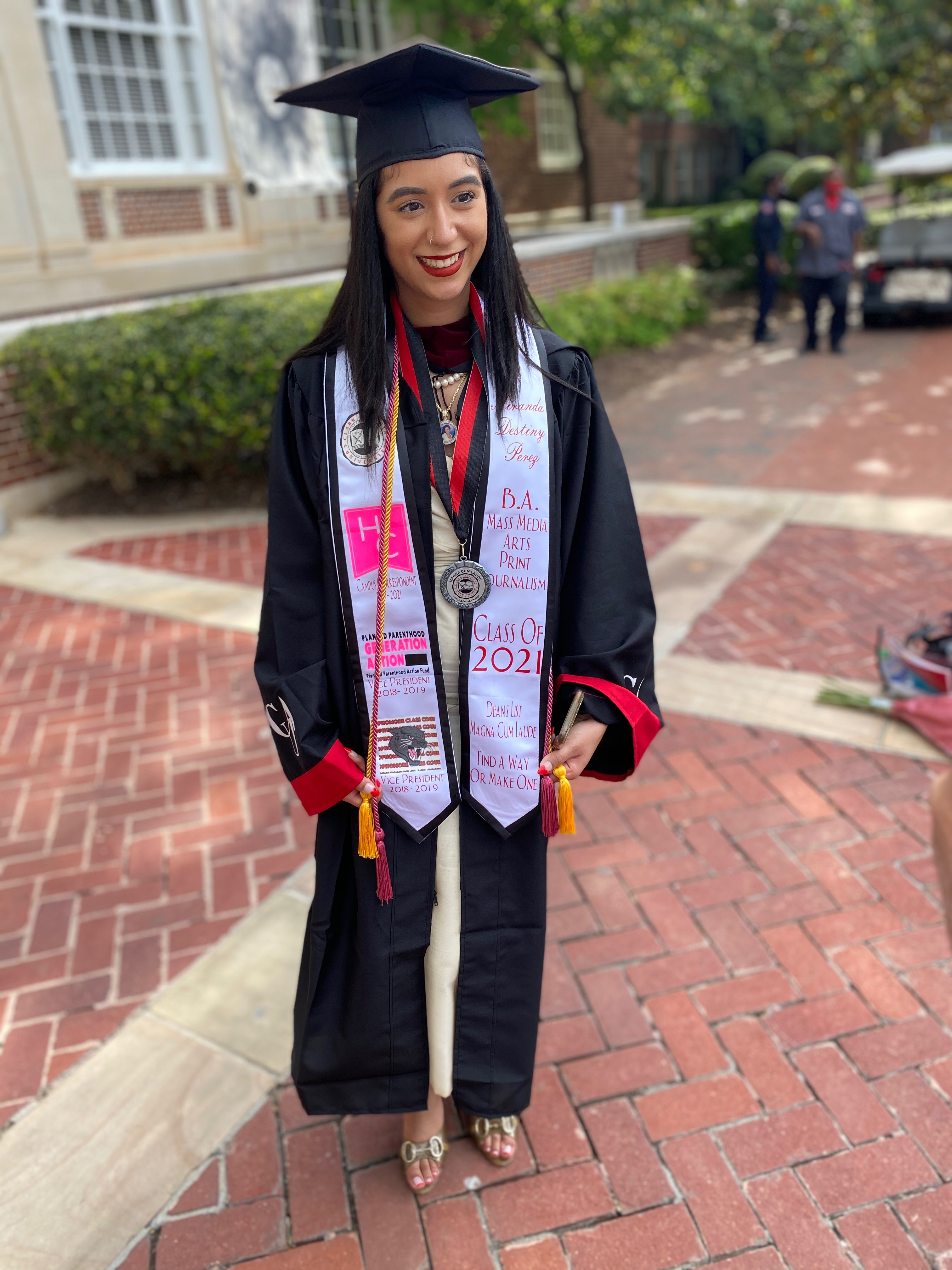
That understanding has guided every step of my career. Whether through journalism, where I have amplified stories that expose inequity, or through entrepreneurship education, where I have helped thousands of HBCU students/alumni to develop businesses that solve real-world problems, my mission has remained constant: expand access to opportunity for young people who have historically been overlooked.
Today, I believe affirming young people is one of the most powerful forms of social change. Every student who discovers their voice, every founder who launches a company, and every young person who chooses possibility over circumstance creates a ripple effect that extends far beyond themselves.
When I think back to that little girl on the phone with her incarcerated father, I wish I could tell her that one day she would understand what she was witnessing. That the fear she felt would one day become fuel. That the questions she carried would become a lifelong commitment to creating answers for others.
I cannot rewrite my childhood, and transparently, I would not want to. But, I can dedicate my life to ensuring more young people have what I needed the most: someone who believes that their potential is limitless, someone who helps them understand the systems surrounding them, and reminds them that their zipcode does not determine their destiny.