Your gift today will empower, inspire, and connect the next generation of changemakers. Together, we can keep building the world we want to see.
Become a Founding Member with a monthly donation, or learn more about all the ways to get involved.
Your gift today will empower, inspire, and connect the next generation of changemakers. Together, we can keep building the world we want to see.
Become a Founding Member with a monthly donation, or learn more about all the ways to get involved.
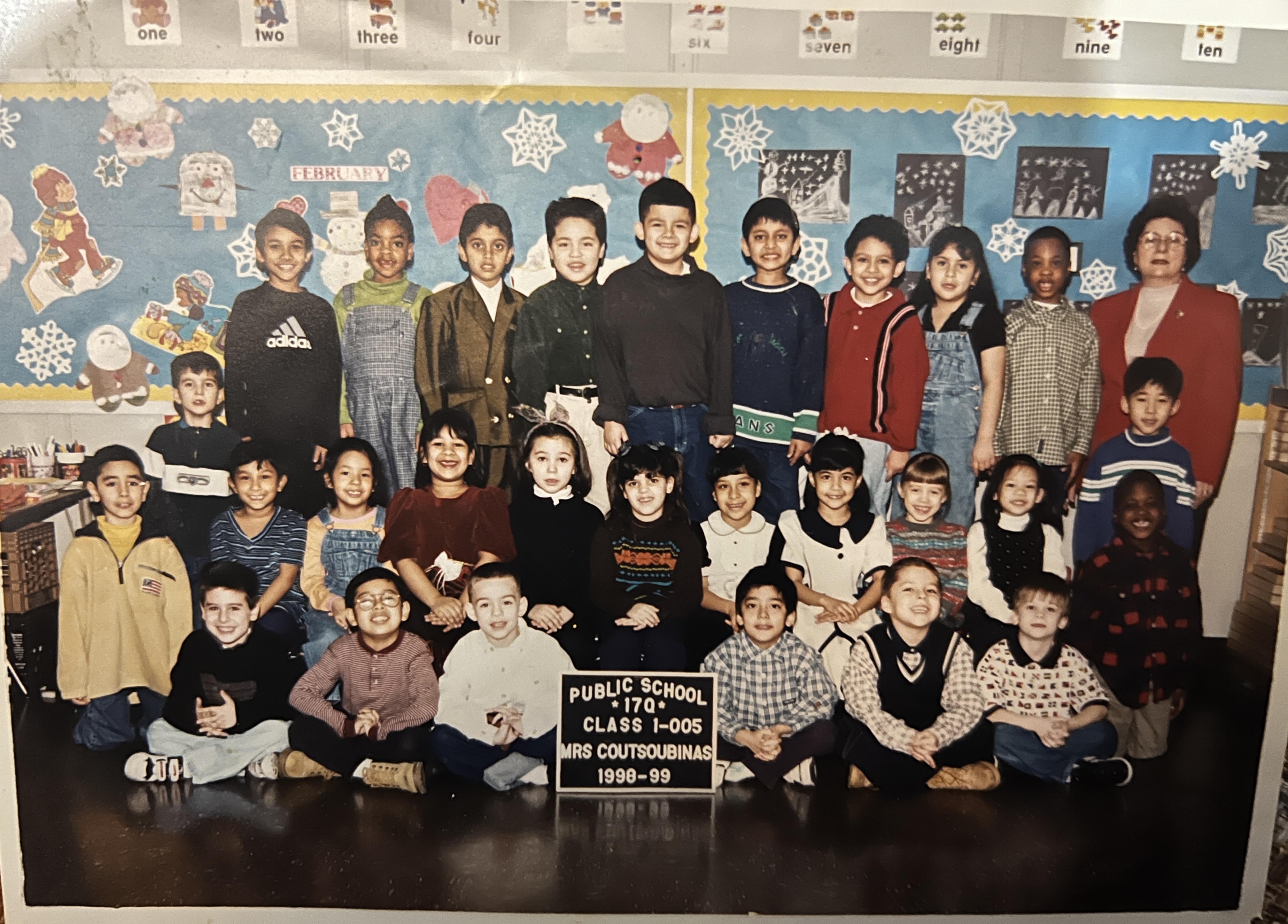
I was born in New York City and raised in Astoria, Queens.
When I think about where I learned my first lessons about community, I don't think about a classroom or a civics textbook. I think about the neighborhood where I grew up, where the people around me spoke different languages, practiced different religions, and came from every corner of the world. My friends were Greek, Bangladeshi, Moroccan, Filipino, Colombian, Guyanese, and everything in between. We played together, attended the same schools, and shared the same city blocks.
Looking back, I realize how much that neighborhood shaped my understanding of civic life before I had the language to describe it. Nobody sat me down and explained diversity, inclusion, or social cohesion. Difference wasn't something we celebrated or debated. It was simply the reality of everyday life.
What I did not understand was power.
As a child, I knew some families struggled more than others. I saw how hard my parents worked to create opportunities for me. I watched relatives sit at kitchen tables with stacks of insurance paperwork, making phone calls they weren't sure how to start, navigating systems that seemed designed for people who already knew how they worked. At the time, those moments felt like isolated frustrations. I didn't yet understand that access to information was itself a form of power.
It wasn't until college that I realized the assumptions I grew up with weren't universal. For the first time, I found myself in spaces where I felt different, where not everyone entered a room with the same confidence, the same familiarity with institutions, or the same expectation that their voice would be heard. I began to see how education, income, geography, and social networks shaped people's opportunities long before they reached adulthood.
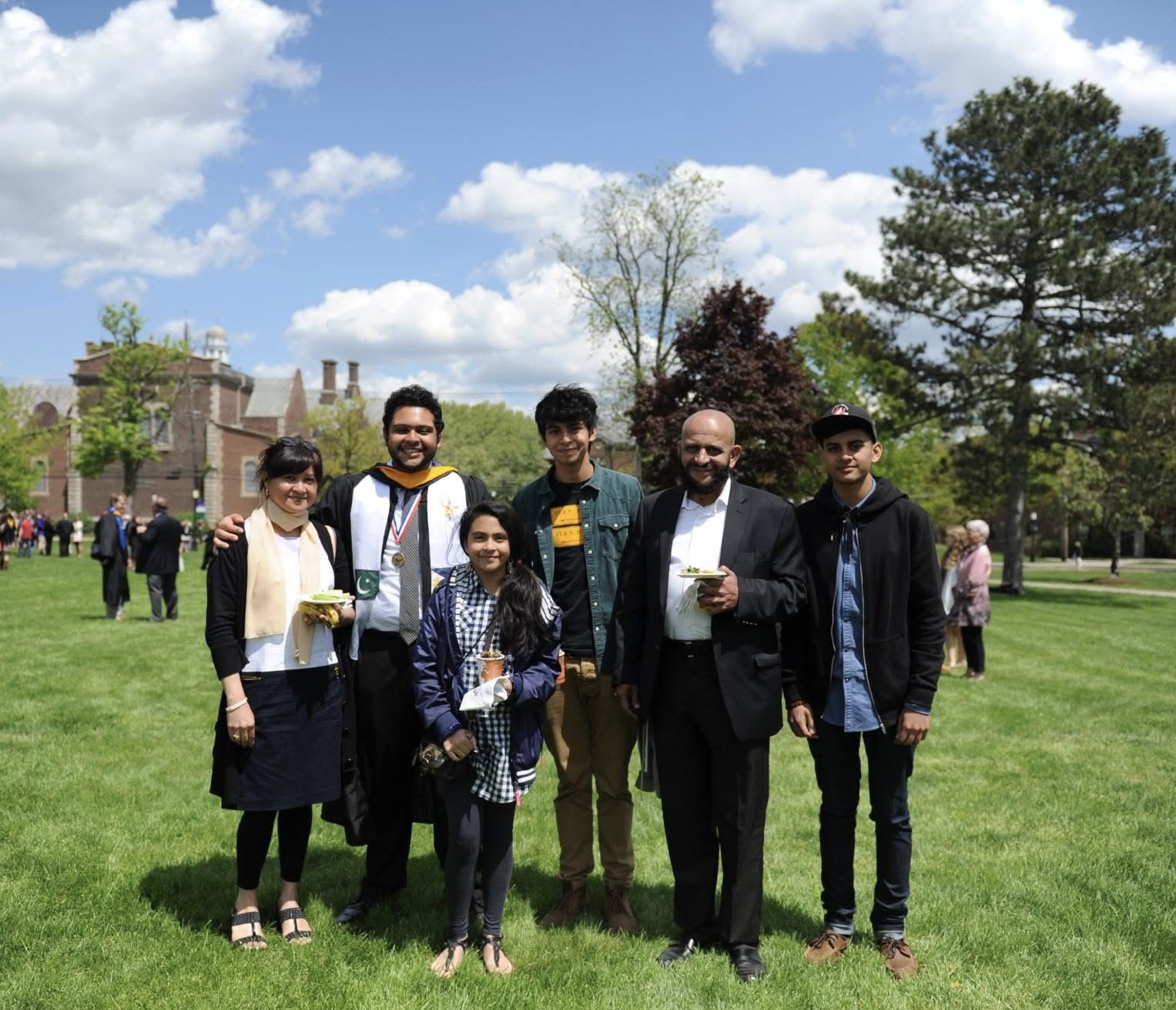
Studying public health didn't change how I saw the world. It gave me the vocabulary for what I had been seeing all along. The barriers my family encountered were not isolated incidents or personal shortcomings. They were symptoms of systems that are often difficult to understand, especially for people without the time, resources, or health literacy to navigate them. What stayed with me was not simply that these challenges existed. It was the realization that too many people were expected to face them alone.
That realization changed the way I think about power. Power is not only found in elected office or positions of authority. Power is also knowing how a system works. It is understanding your rights. It is having access to information. It is believing that your voice matters enough to ask a question, challenge a decision, or advocate for yourself and your community.
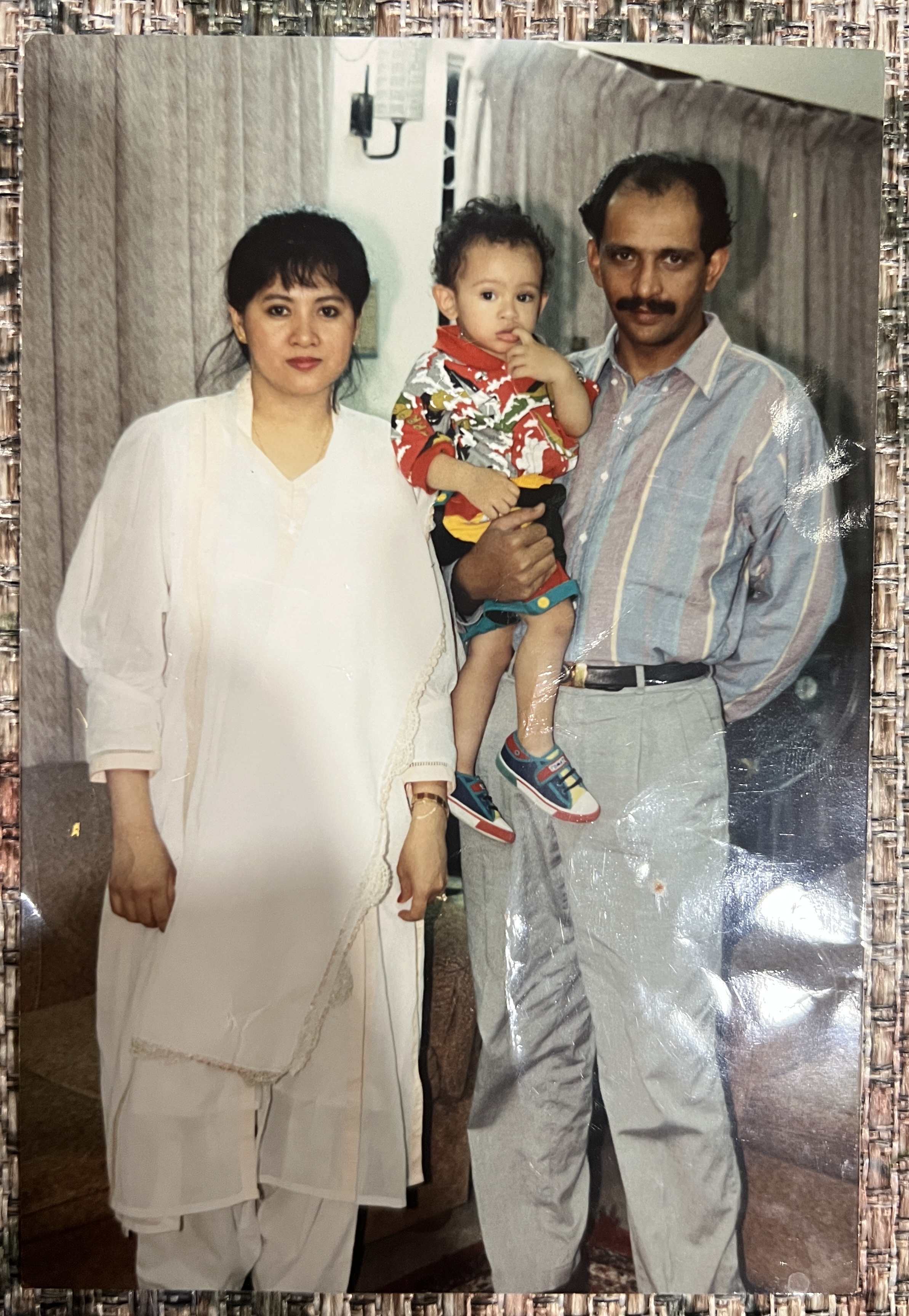
In many ways, I inherited that understanding before I recognized it. My father's mother was a community leader in Pakistan who advocated for her neighbors and worked to secure resources for her community. I only know her through stories, but those stories taught me that leadership is not about titles or recognition. It is about taking responsibility for the people around you.
Today, I believe young people need more than information. They need civic education that helps them understand how the world around them actually functions. They need opportunities to participate in their communities before adulthood. Most importantly, they need to know that their experiences are valuable and that asking questions is not a sign of inexperience. It is the beginning of engagement.
If I were speaking to a young person who came from a neighborhood like mine, I would tell them this: stay curious. Learn how systems work. Ask why things are the way they are. Don't assume someone else will solve the problems your community faces. The frustrations you feel and the experiences you carry are not distractions from civic life. They are often where it begins.
The streets of Astoria taught me that community is built through everyday interactions between people who may have very different lives but share the same blocks, schools, and aspirations. Public health taught me that equitable communities require more than goodwill. They require systems that people can understand, access, and shape. Together, those lessons taught me something I now believe without reservation: power grows when people have the knowledge, confidence, and opportunity to participate in the communities they call home.