Your gift today will empower, inspire, and connect the next generation of changemakers. Together, we can keep building the world we want to see.
Become a Founding Member with a monthly donation, or learn more about all the ways to get involved.
Your gift today will empower, inspire, and connect the next generation of changemakers. Together, we can keep building the world we want to see.
Become a Founding Member with a monthly donation, or learn more about all the ways to get involved.
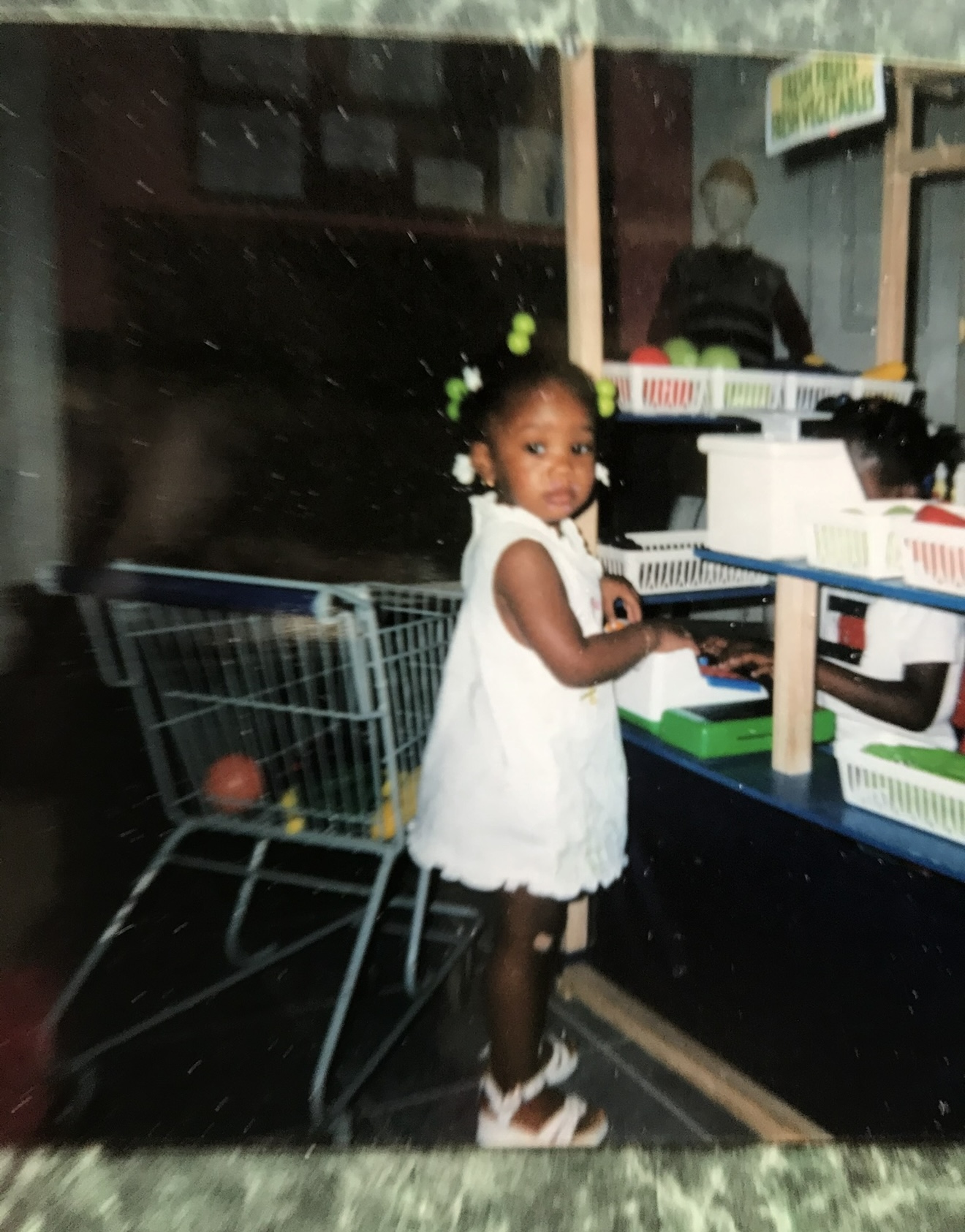
Growing up in Jacksonville, Florida, I watched people in my neighborhood disappear long before they ever had a real chance to figure out who they were. They disappeared out of classrooms and into the juvenile justice system, swallowed up by conditions none of us had the language to describe at the time.
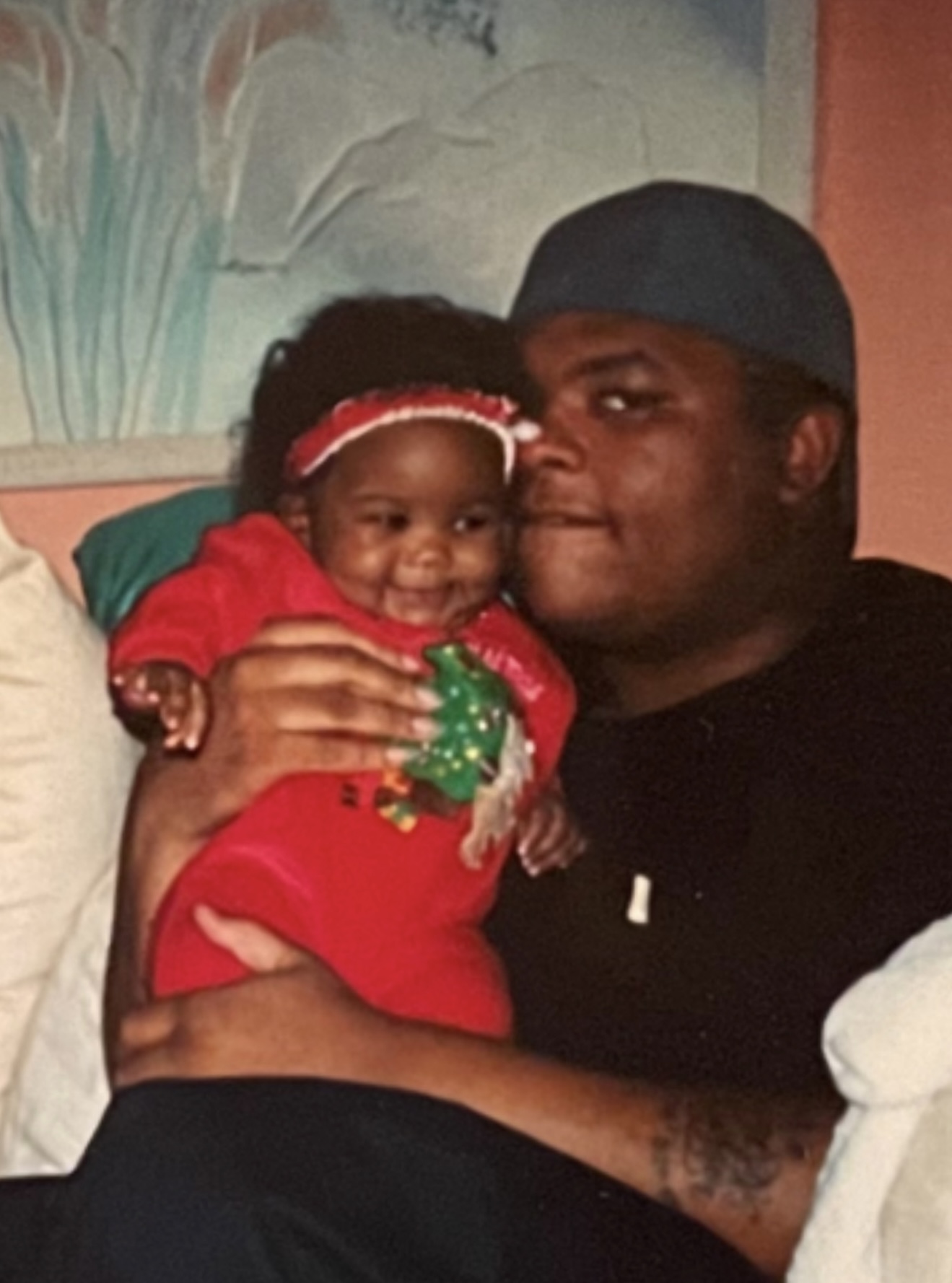
Before my father was murdered, he was incarcerated. As a young girl, I was forced to navigate his absence, the weight of my community's pain, and the slow loss of people I loved, all before I had any language to understand why it was happening.
I knew I was fortunate in ways others weren't. My mother and grandmother kept me grounded in my identity as a Black girl, constantly pushing me to see beyond our immediate circumstances. But even as a child, I recognized that the difference between my trajectory and that of my peers wasn't about who we were as people. It was about what was, or wasn't, built around us.
The year 2012 was a profoundly clarifying moment in my life. On November 6th, there was an incredible wave of hope as the nation reelected its first Black president. But just fifteen days later, my father was murdered. Two days after that, Jordan Davis, a seventeen-year-old Black boy, was shot and killed at a local Jacksonville gas station in a horrific act of racism. Earlier that same year, Trayvon Martin had been killed just a few hours away.
While the country seemed to be moving forward, my community was absorbing devastating loss. At that moment, I began to feel (even if I couldn't yet articulate it) that electoral participation alone wasn't going to save us.
Grief became a quiet burden, and I turned to writing, photography, and visual art. Art gave me a way to process what I couldn't say out loud. It was a way to communicate and understand the world without needing to find the perfect words.
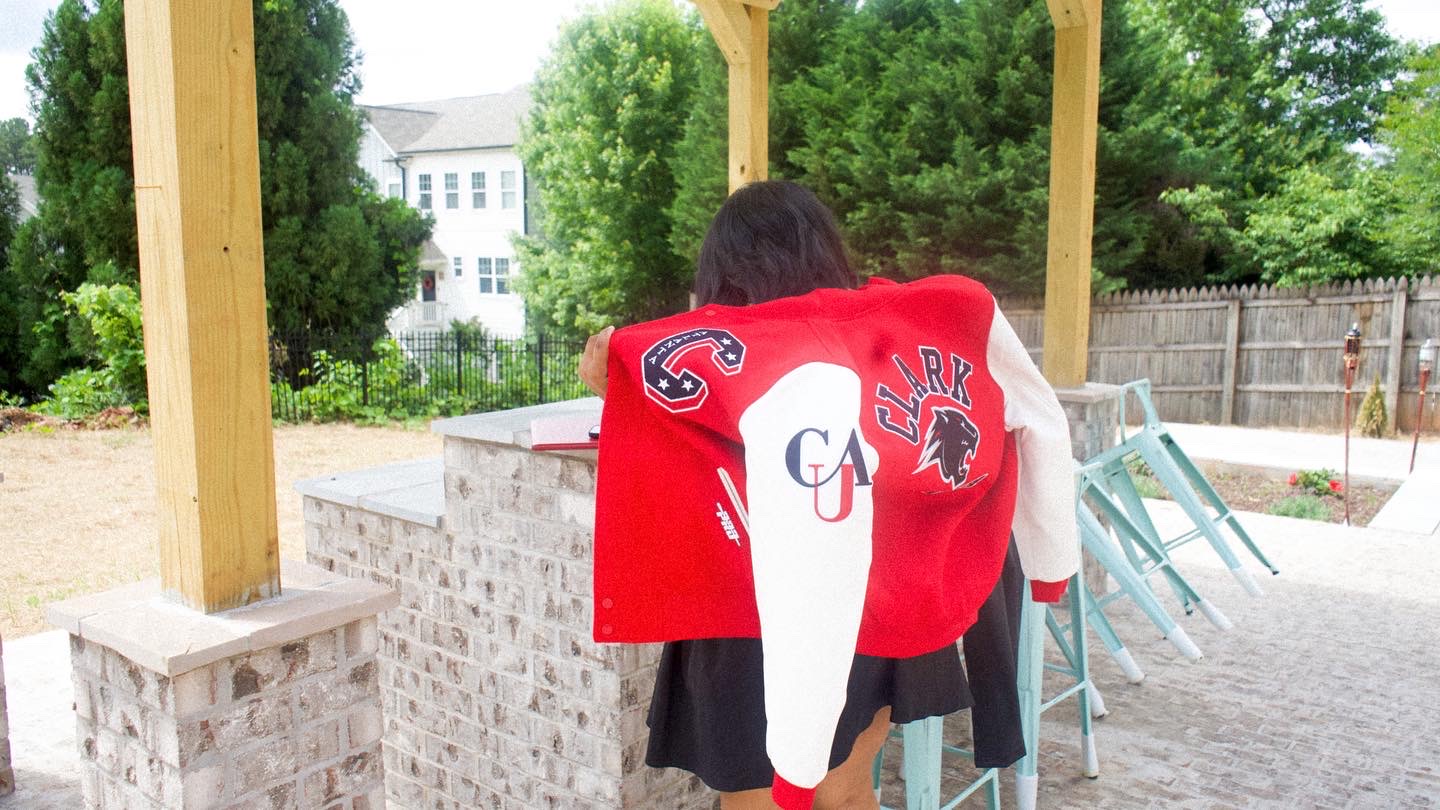
It wasn’t until I moved to Atlanta to attend Clark Atlanta University that the bigger picture finally came into focus. Being at an HBCU, surrounded by Black students from entirely different backgrounds, allowed me to look back at my own upbringing with fresh eyes.
I finally saw that the challenges my neighborhood faced weren't a reflection of a lack of ability. It was about the conditions. What I had always understood as personal pain, the loss of my father, the struggles of my neighborhood, the friends who never made it to graduation, was structural. Studying journalism gave me the language to understand exactly how those systems operate: how narratives are shaped, who controls them, and whose stories get left out.
I realized that the young people I grew up with had never been given the tools to see these systems clearly. It wasn’t because they weren't capable; but because structural literacy is rarely taught in communities like ours. Without that understanding, the natural human response is to turn inward and to view systemic failures as personal shortcomings.
In short, that’s the reason Archive the Future exists today. Our core approach, the Civic Narrative Framework, grew directly out of what was missing in my own youth. It is built on four essential pillars: Historical Literacy, Media Critique, Visual Storytelling, and Civic Action.
Our organization exists because structural literacy is not distributed equally. When young people are denied the tools to understand their reality, it directly impacts who feels empowered to participate in civic life and who gets left behind.
We are here to give young people the tools, the framework, and the space to look at their experiences not as personal failures, but as structural realities, and to empower them to change those structures for good.